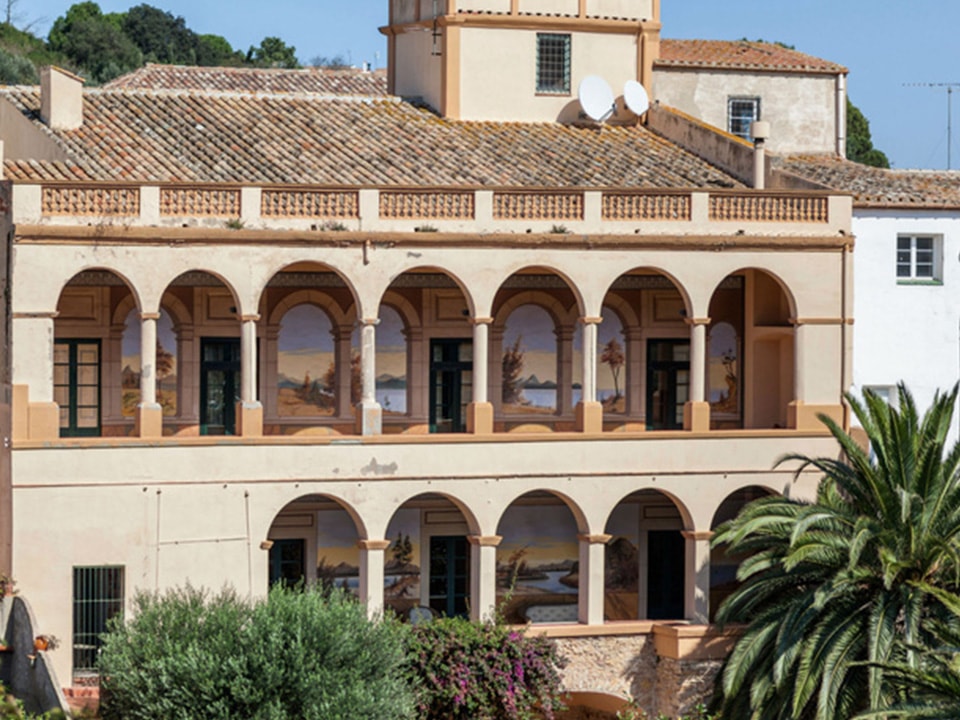
Begur before the Indianos: an agricultural and seafaring village
Before the Indiano phenomenon marked its identity, Begur was an eminently agricultural and seafaring town, settled in the heart of the Baix Empordà. Its economy was based on dry farming, fishing, small commercial activities, and, to a lesser extent, coastal navigation.
As happened in many towns on the Catalan coast between the 18th and 19th centuries, economic opportunities were limited. Demographic growth, scarcity of productive land, and lack of industrialization pushed part of the population to seek a future far from home. It is in this context that the figure of the Indiano emerges.
Who were the Indianos?
Indianos are known as the men—and to a lesser extent entire families—who emigrated from Catalonia to America, especially to the former Spanish colonies, with the hope of improving their economic situation. The term did not refer to a specific place, but to the fact of "making the Americas".
In the case of Begur, this migratory movement intensified especially during the 19th century, although it had antecedents in the 18th century. The most common destinations were Cuba, Puerto Rico, and other points in the Caribbean, then under Spanish rule.
Cuba: the great destination
Among all overseas territories, Cuba became the main destination. The island was experiencing a period of great economic activity driven by the sugar industry, maritime trade, and merchant networks.
Many emigrants initially worked as employees or intermediaries. Some managed to ascend socially, creating their own companies. Although not everyone succeeded, those who prospered left a deep mark on their place of origin.
The local return: money, prestige, and modernity
The return of the Indianos to Begur was not only a physical return but also a cultural and symbolic one. They returned with capital, but also with a different worldview, influenced by the American experience.
Architecture
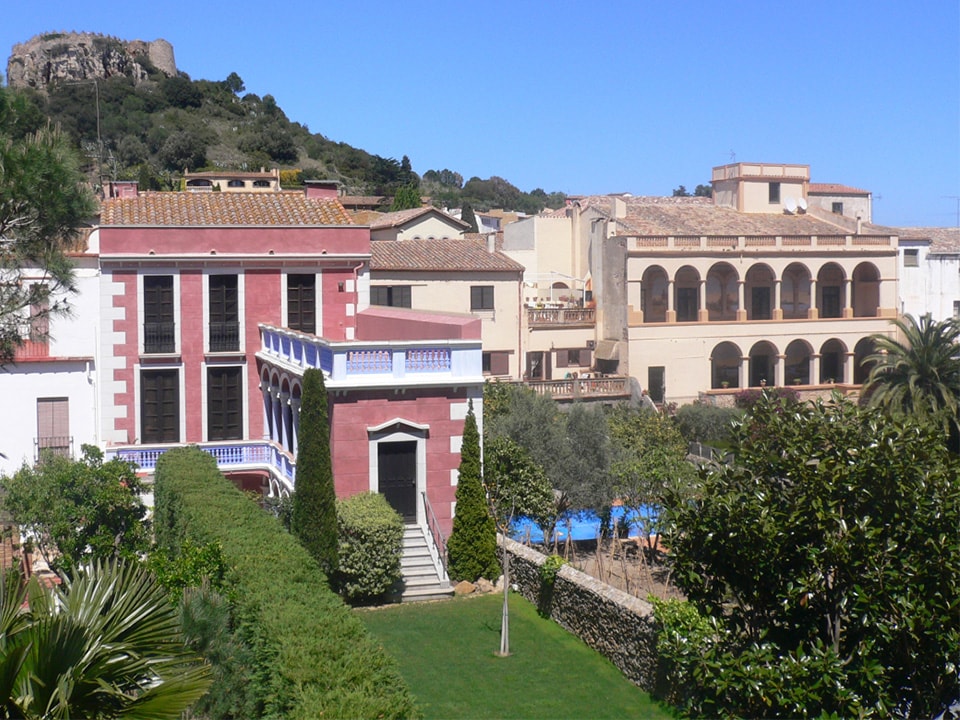
Manor houses with symmetrical facades, porticoed galleries, and exotic gardens that redefined the urban landscape.
Society
The returnees occupied prominent positions, becoming local references of prestige and patrons.
Mentality
They introduced new customs and ways of understanding commerce, opening Begur to the outside world.
“"These constructions, known today as Indiano houses, forever redefined the urban landscape of Begur."
Indiano Houses: Transatlantic Symbol
Today, they constitute one of the main heritage attractions. Many are concentrated in the historic center, integrated between medieval streets. Not only do they stand out for their aesthetics, but because they represent personal stories of risk and return.
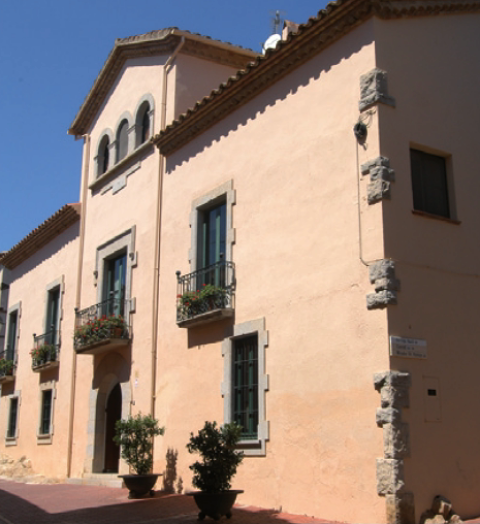
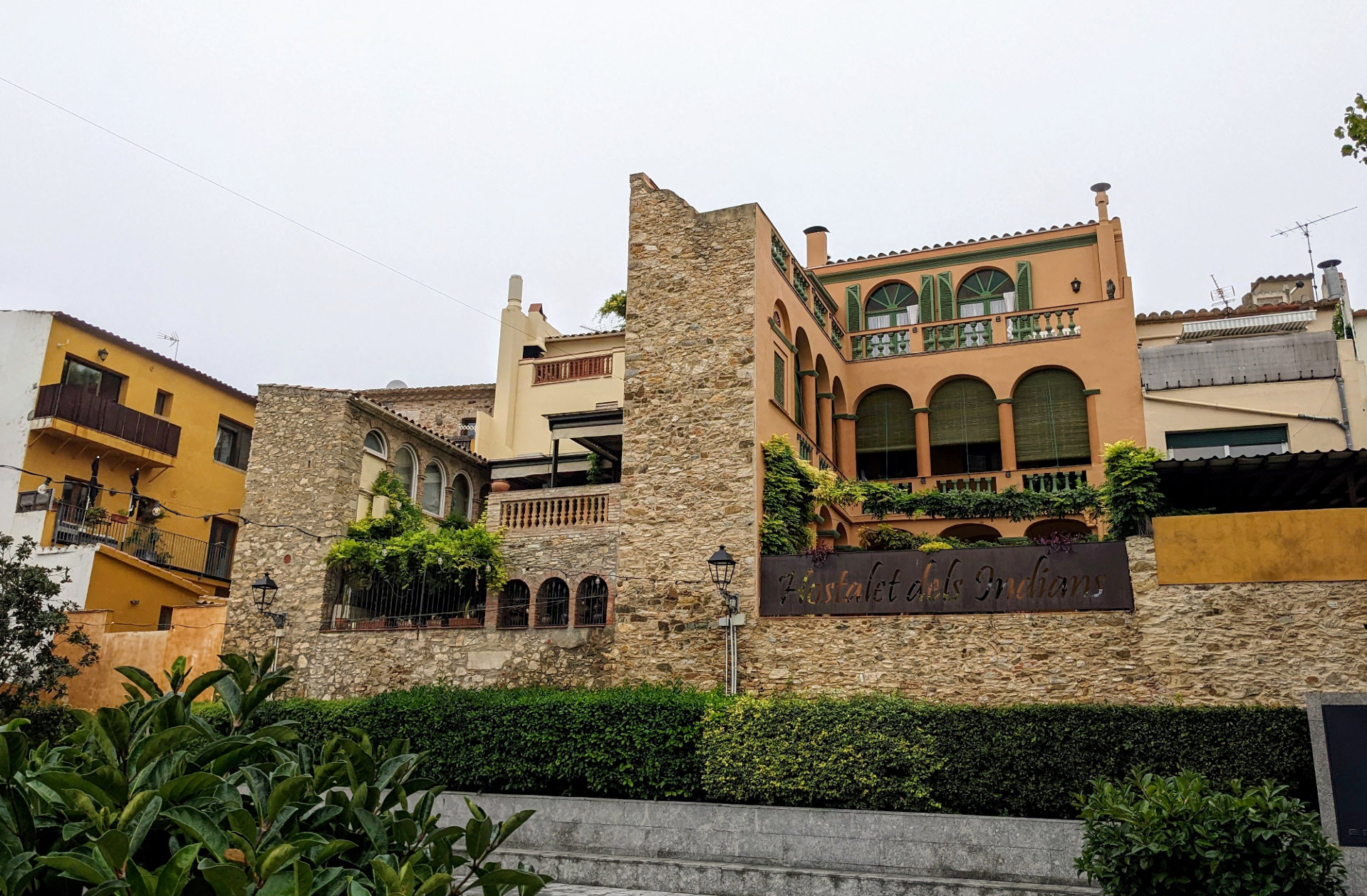
"Facades that speak of overseas."
Impact and Memory
The Indiano influence went beyond private housing: it modernized infrastructure, developed new services, and energized commerce. Begur thus began a transition towards a more urban model without abandoning its roots.
Currently, this history is part of Begur's cultural narrative, highlighted through heritage routes, the famous Fira d'Indians, and the conservation of its architectural legacy. It is not a historical anecdote, but the key to understanding the evolution of the municipality.
Begur, between the Mediterranean and America
The history of the Indianos is a round-trip story. Thanks to them, a small town in the Empordà remained forever linked to the history of the Atlantic. Walking through Begur today is to traverse that past: houses hiding stories of adventure and a landscape that would not be understood without those who dared to cross the ocean.